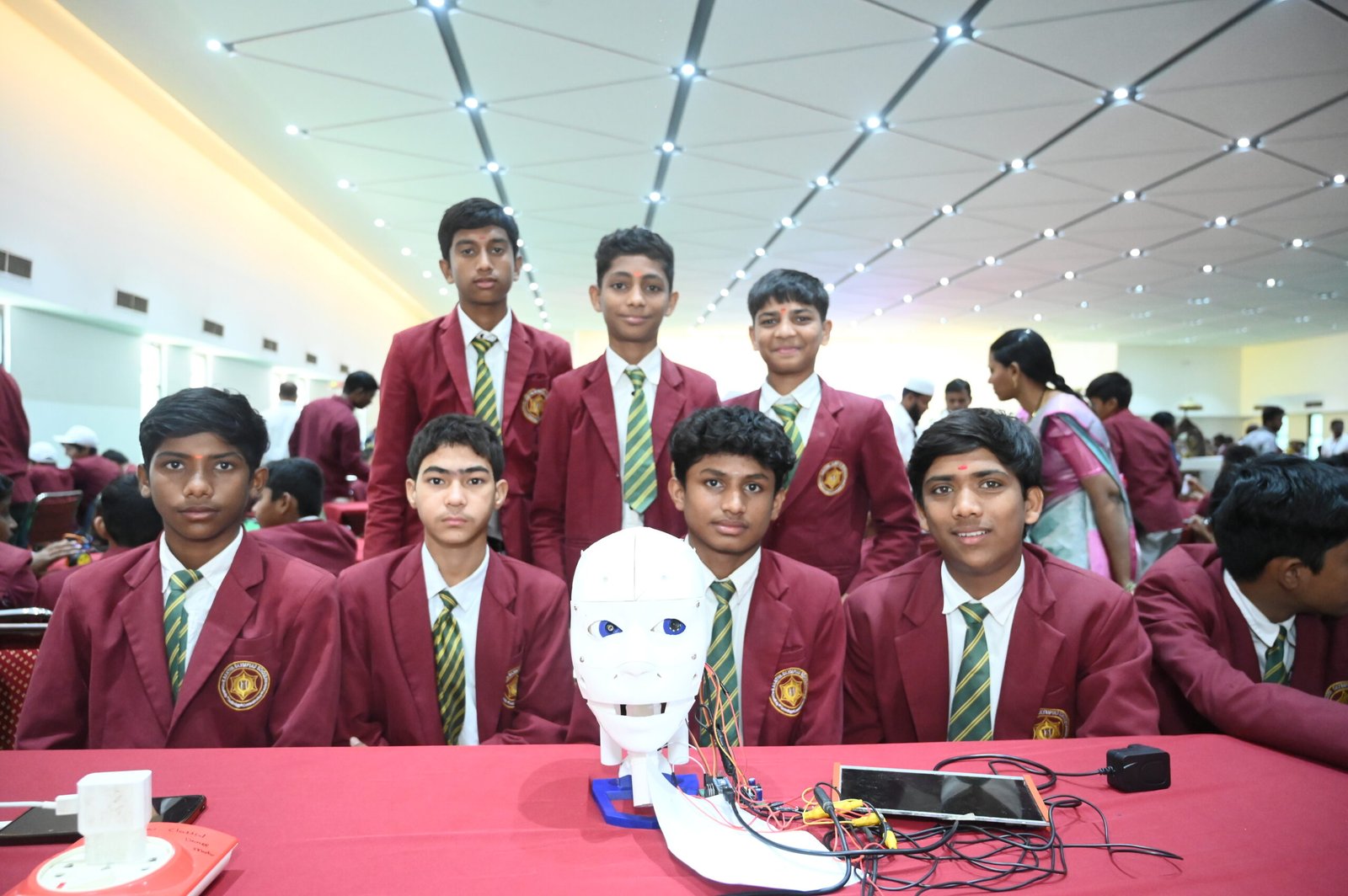
Education is evolving rapidly, and technology has become a key part of modern learning. From smart classrooms to advanced tools like robotics and artificial intelligence, technology is transforming the way students learn, understand, and apply knowledge. It not only makes learning more engaging but also prepares students for a future driven by innovation and digital skills.
What is Technology in Education?
Technology in education refers to the use of digital tools, software, and modern equipment to enhance the learning experience. This includes:
- Smart boards and digital classrooms
- Online learning platforms
- Robotics and AI tools
- Interactive simulations and videos
These tools help simplify complex concepts and make learning more effective.
Benefits of Technology in Education
1. Makes Learning Interactive
Technology turns traditional classrooms into interactive environments. Visual content, animations, and digital tools help students understand topics more easily and stay engaged.
2. Enhances Understanding of Concepts
Difficult topics become easier when explained through videos, simulations, and practical demonstrations. Students can visualize concepts instead of just imagining them.
3. Encourages Creativity and Innovation
With access to tools like robotics, coding, and AI, students can experiment, create projects, and think innovatively. This builds creativity and problem-solving skills.
4. Prepares Students for the Future
The future is driven by technology. Early exposure helps students develop digital skills, making them ready for modern careers and global opportunities.
5. Supports Personalized Learning
Technology allows students to learn at their own pace. Some students may need more time to understand concepts, while others can move ahead faster technology supports both.
Technology Tools Used in Schools
Modern schools use a variety of tools to enhance learning:
- Smart Classrooms for visual and interactive teaching
- Robotics Labs for hands-on innovation
- AI-Based Learning Tools for advanced understanding
- Digital Assessments for tracking student progress
These tools create a more engaging and effective learning environment.
Role of Teachers in Tech-Based Learning
Even with advanced technology, teachers remain essential. They guide students in using these tools effectively and ensure that learning stays meaningful. Teachers:
- Explain concepts using digital tools
- Monitor student progress
- Provide clarity and support
- Encourage responsible use of technology
Technology supports teachers it does not replace them.
Balancing Technology and Traditional Learning
While technology offers many benefits, it should be balanced with traditional learning methods. Writing, reading, and face-to-face interaction are equally important. A balanced approach ensures:
- Better understanding
- Improved communication skills
- Healthy learning habits
Impact on Student Development
Technology not only improves academic performance but also helps students develop essential skills like:
- Critical thinking
- Digital literacy
- Creativity
- Collaboration
These skills are important for both education and future careers.
Conclusion
Technology has become a powerful tool in modern education, making learning more engaging, effective, and future-focused. By combining technology with strong teaching methods, schools can create an environment where students not only learn better but also grow into confident and capable individuals ready for the challenges of tomorrow.